
 By Sunidhi Gupta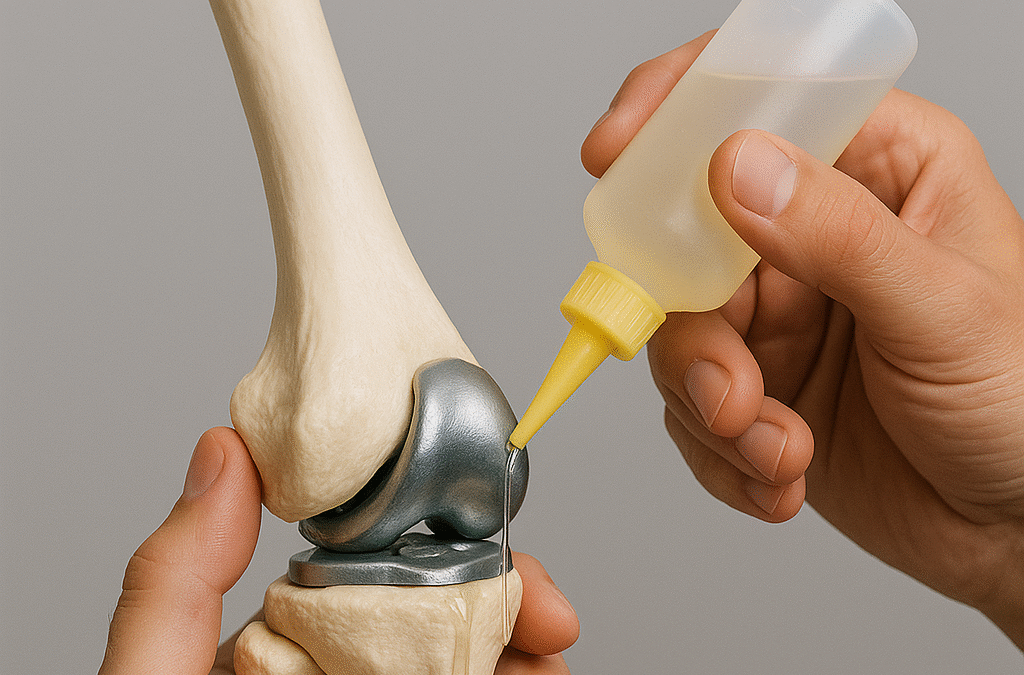
Movement feels effortless when joints are functioning smoothly. Walking, bending, or even standing up relies on a complex internal system designed to reduce friction and absorb pressure. Over time, however, this system gradually shifts. In some discussions about joint aging and mobility support, formulations like Joint Genesis are often referenced within broader conversations about how modern science is trying to understand joint lubrication decline. Still, the real foundation of joint health begins far deeper—in the biology of cartilage, fluid balance, and connective tissue integrity.
This article explores how joints actually work, why stiffness develops, and what science currently understands about maintaining mobility over time.
What Keeps Joints Moving Smoothly?
Every joint in the body is built like a precision-engineered hinge. But unlike metal machinery, human joints rely on living tissues that constantly renew and adapt.
At the core of this system are three components:
- Cartilage, which acts as a shock absorber
- Synovial fluid, which reduces friction
- Connective tissues, which stabilize movement
When these elements work in harmony, movement feels fluid and almost effortless. But when balance is disrupted—due to aging, inactivity, or wear—the smooth gliding motion begins to feel restricted.
One of the most important but often overlooked factors here is synovial fluid consistency. This gel-like substance determines how easily joints glide against each other during movement.
Synovial Fluid and Hyaluronan: The Body’s Natural Cushion
Synovial fluid is not just a lubricant—it is a living biological material. Its thickness and elasticity depend heavily on a molecule called hyaluronan, a naturally occurring compound in the body.
As we age, hyaluronan production tends to decline. This leads to thinner synovial fluid, which can reduce its ability to cushion joints effectively.
Why hyaluronan matters
- It helps maintain viscosity in synovial fluid
- It supports smooth cartilage interaction
- It contributes to shock absorption during movement
This is where the concept of hyaluronan benefits for joints becomes important in scientific discussions. Researchers continue to study how maintaining or supporting this molecule may influence long-term joint comfort and flexibility.
When levels drop, movement may feel less fluid—not necessarily due to damage alone, but due to changes in lubrication efficiency.
Why Stiffness Increases With Age
Joint stiffness is not caused by a single factor. Instead, it develops through multiple overlapping biological changes.
1. Reduced fluid efficiency
Synovial fluid becomes less effective at distributing pressure evenly.
2. Cartilage wear over time
Cartilage does not regenerate quickly, so gradual thinning can affect cushioning.
3. Lower physical activity
Movement helps circulate nutrients in joint structures. Less movement often means slower recovery.
4. Inflammatory responses
Low-grade inflammation can subtly influence how flexible joints feel day to day.
These factors combine gradually, which is why stiffness often appears slowly rather than suddenly.
Lifestyle Factors That Influence Joint Comfort
While aging is natural, daily habits can significantly influence how joints feel over time. The goal is not to “reverse” aging but to support the systems already in place.
Hydration and tissue elasticity
Water plays a direct role in maintaining the viscosity of synovial fluid. Dehydration can reduce lubrication efficiency, making movement feel slightly heavier.
Nutrition and connective tissue support
Diet influences collagen formation and tissue repair. Nutrients like vitamin C, omega-3 fatty acids, and protein are often associated with structural maintenance in joints.
Movement consistency
Regular, low-impact activity such as walking or swimming helps keep synovial fluid circulating properly. Joints are designed for motion, and inactivity often leads to increased stiffness.
Posture and alignment
Poor posture places uneven stress on joints, which can accelerate discomfort in specific areas like knees, hips, and lower back.
Movement, Hydration, and Connective Tissue Health
Joint health is not just about bones and cartilage—it is also about how surrounding tissues respond to stress and recovery.
Ligaments and tendons play a critical role in stabilizing movement. When these tissues become tight or less elastic, they can indirectly affect joint mobility.
Similarly, hydration influences not just synovial fluid but also the elasticity of connective tissues. Even mild dehydration over time can contribute to reduced flexibility.
This interconnected system explains why joint health strategies often focus on multiple lifestyle areas rather than a single solution.
Emerging Research in Joint Biomechanics and Mobility Support
Modern research is increasingly focused on how biological aging affects joint lubrication at the molecular level. Scientists are particularly interested in how hyaluronan metabolism changes over time and how this influences synovial fluid quality.
In some wellness discussions, products like Joint Genesis are mentioned as part of a broader exploration into how hyaluronan-related pathways might be supported through targeted formulations. However, the scientific conversation remains much larger than any single approach, focusing instead on how the body regulates lubrication, inflammation response, and tissue resilience.
Researchers continue to investigate how movement patterns, cellular repair processes, and biochemical changes interact to influence long-term mobility.
Natural Ways to Support Long-Term Joint Mobility
Supporting joints does not require complex routines. Small, consistent habits often make the most meaningful difference over time.
Keep movement regular
Short walks, stretching routines, and light mobility exercises help maintain joint flexibility.
Focus on recovery
Rest is just as important as activity. Overloading joints without recovery can lead to discomfort.
Maintain healthy body mechanics
Proper lifting techniques and posture awareness reduce unnecessary joint stress.
Support circulation
Activities that increase blood flow—like cycling or swimming—can indirectly support joint nourishment.
Final Thoughts
Joint health is a dynamic system influenced by biology, lifestyle, and daily movement patterns. Understanding how synovial fluid, cartilage, and connective tissues interact offers a clearer picture of why mobility changes over time.
Rather than focusing on quick fixes, long-term joint comfort comes from consistent habits that support the body’s natural mechanics. When viewed through this lens, joint aging becomes less about decline and more about adaptation—and how well we support that process.