
 By Sunidhi Gupta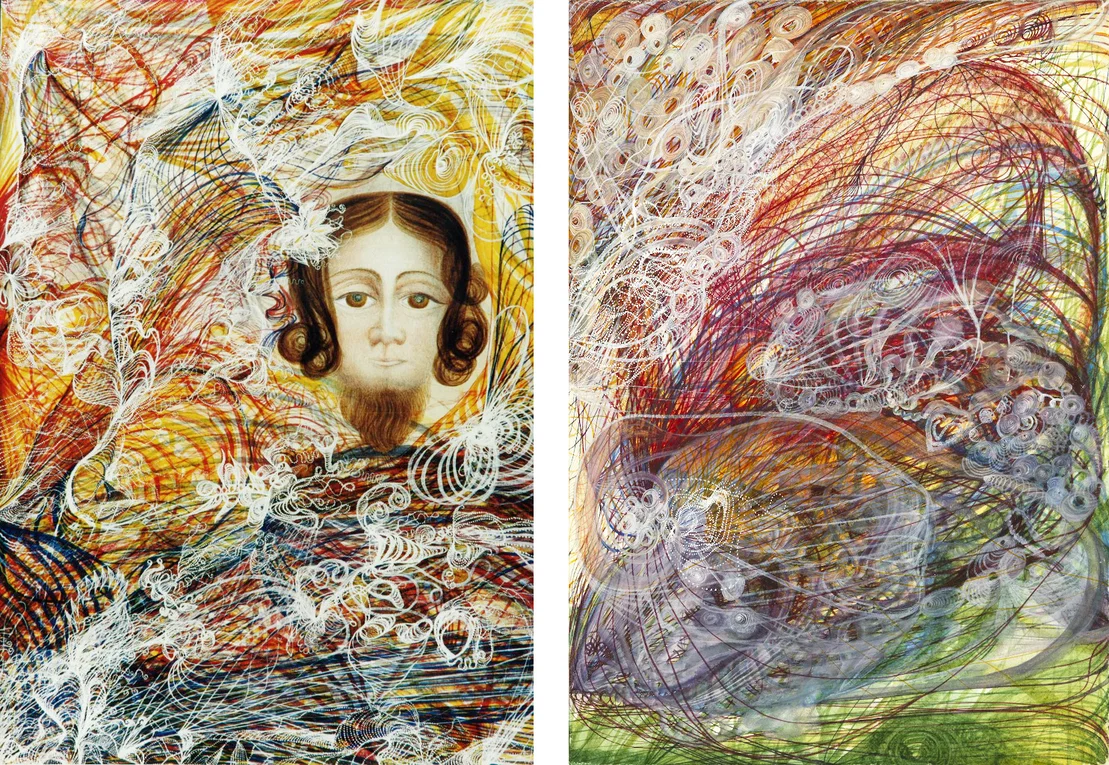
Across digital platforms and creative communities, a unique form of expression has gained quiet attention: intuitive portrait art. Blending imagination, symbolism, and personal interpretation, this style of illustration moves beyond traditional likeness to focus on emotional and energetic representation. Rather than capturing exact facial features, it often aims to reflect personality impressions, narrative symbolism, and perceived emotional layers.
In recent years, creators such as tina aldea have been associated with popularizing interest in this niche, where art intersects with intuition and storytelling. Whether viewed as creative experimentation or spiritual expression, the trend reflects a broader cultural shift toward meaning-driven visuals.
Understanding Intuitive Portrait Art
Intuitive portrait art is not defined by strict anatomical accuracy. Instead, it leans into interpretation—how an artist “feels” a subject rather than how they measure it. This approach often incorporates:
- Abstract facial structures or softened realism
- Symbolic elements like colors, shapes, or aura-like patterns
- Emotional cues rather than physical detail
Unlike traditional portraiture, the focus is less about recognition and more about resonance. Viewers are encouraged to interpret meaning subjectively, making each piece feel personal in a different way.
Symbolism and Emotional Mapping in Sketch-Based Expression
One of the most intriguing aspects of this art form is how symbolism replaces literal representation. Artists often use recurring visual codes to suggest personality traits or emotional states.
For example:
- Warm tones may be associated with openness or familiarity
- Geometric shapes can represent structure or stability
- Flowing lines might suggest movement or emotional fluidity
This method of storytelling is sometimes explored in modern soulmate sketch practices, where imagery is used to reflect imagined emotional connections rather than documented reality. While interpretations vary widely, the appeal often lies in curiosity and personal reflection rather than visual precision.
Digital Age and the Evolution of Symbolic Illustration
The internet has significantly influenced how intuitive artwork spreads and evolves. Social media platforms now allow artists to share time-lapse drawings, interpretation-based sketches, and conceptual portraits with global audiences.
Digital tools have also expanded creative freedom:
- Layers allow complex symbolic detailing
- Brushes mimic traditional media while enabling experimentation
- Sharing platforms encourage interactive interpretation from viewers
As a result, intuitive illustration has become less niche and more of a conversational art form, where meaning is co-created between artist and audience.
The Role of Personal Interpretation in Visual Storytelling
A defining characteristic of this movement is its openness. Unlike fixed narratives, intuitive portrait work encourages viewers to bring their own experiences into interpretation. Two people can look at the same piece and walk away with entirely different impressions.
This subjectivity is part of what makes the style so compelling. It aligns with broader trends in modern creativity where meaning is not dictated but discovered.
Cultural Interest in Symbolic Portrait Practices
Interest in symbolic portrait art continues to grow alongside online communities centered on spirituality, creativity, and self-reflection. Forums, video platforms, and digital galleries often showcase discussions about interpretation, emotional symbolism, and artistic intent.
Within this space, creators sometimes gain recognition for developing distinctive styles that blend narrative intuition with visual storytelling. The work of tina aldea is often referenced in conversations about how symbolic portrait art has found visibility in contemporary online culture, particularly among audiences drawn to expressive and interpretive illustration.
Why This Art Form Resonates Today
The appeal of intuitive portrait art may be linked to a broader cultural desire for meaning in visual media. In an era dominated by fast content consumption, symbolic and interpretive imagery offers a slower, more reflective experience.
Rather than providing immediate answers, it invites questions:
- What emotions does this image evoke?
- What story could this represent?
- Why does this visual feel familiar or unfamiliar?
These open-ended responses are part of what keeps the style relevant and evolving.
Conclusion
Intuitive portrait art sits at the intersection of creativity, symbolism, and personal interpretation. It continues to evolve as artists experiment with meaning-driven visuals and audiences engage with them in increasingly personal ways. Whether explored through digital sketches, symbolic storytelling, or emerging online communities, it reflects a growing appreciation for art that prioritizes feeling over form.